Exploring the landscape of education, the rise of online colleges has reshaped traditional learning methods. This article delves into the reasons why online colleges are becoming a permanent fixture in the educational sphere, offering a glimpse into the future of learning.
We will dissect the impact of technology, the flexibility and accessibility of online education, the cost-effectiveness it provides, and the exciting future trends that await online colleges.
The Rise of Online Colleges
Online colleges have seen a significant rise in popularity over the past few years, with more students opting for the flexibility and convenience that these institutions offer. The growth of online colleges can be attributed to several factors, including technological advancements, changing attitudes towards online education, and the increasing demand for lifelong learning opportunities.
Successful Online College Models
- University of Phoenix: One of the largest online universities in the world, offering a wide range of programs and degrees tailored to the needs of working adults.
- Western Governors University: Known for its competency-based learning model, allowing students to progress at their own pace based on mastery of course material.
- Coursera: A platform offering online courses from top universities and institutions around the world, providing learners with access to high-quality education from the comfort of their homes.
Advantages of Online Colleges
- Flexibility: Online colleges allow students to study at their own pace and schedule, making it easier for working professionals or individuals with other commitments to pursue higher education.
- Cost-effective: Online programs are often more affordable than traditional on-campus options, as they eliminate the need for commuting, housing, and other expenses associated with attending a physical campus.
- Accessibility: Online colleges provide access to education for students who may not have the means to attend a traditional college due to geographical constraints or other limitations.
Technology and Education
Technology has completely revolutionized the education sector, opening up new possibilities for learning and teaching. The integration of technology in education has significantly changed the way students access information, interact with course materials, and communicate with instructors and peers.
Traditional Classroom Learning vs Online Learning
- Traditional Classroom Learning:
- Face-to-face interaction with instructors and peers.
- Focused learning environment with fewer distractions.
- Fixed class schedules and locations.
- Online Learning:
- Flexible learning schedule and location.
- Access to a vast array of online resources and tools.
- Opportunity for self-paced learning and personalized education.
Key Technologies Driving the Future of Online Education
- Learning Management Systems (LMS):
- Platforms like Moodle, Canvas, and Blackboard facilitate course management, content delivery, and communication between students and instructors.
- Virtual Reality (VR) and Augmented Reality (AR):
- Immersive technologies that provide interactive learning experiences, especially in fields like science, healthcare, and engineering.
- Artificial Intelligence (AI):
- AI-powered tools for personalized learning, adaptive assessments, and data analytics to enhance student performance and engagement.
- Mobile Learning:
- Mobile apps and platforms enable students to access course materials, participate in discussions, and submit assignments on-the-go.
Flexibility and Accessibility
Online colleges offer a level of flexibility that traditional brick-and-mortar institutions cannot match. Students have the freedom to create their own schedules, allowing them to balance work, family, and other commitments while pursuing higher education.
Catering to Diverse Learning Styles
- Online education provides a variety of learning materials such as videos, interactive quizzes, and discussion forums, catering to visual, auditory, and kinesthetic learners.
- Students can also choose to study at their own pace, replay lectures, and revisit course materials as needed, accommodating different learning speeds and preferences.
- Accessibility to online resources ensures that students with disabilities can receive necessary accommodations to support their learning process.
Increased Accessibility to Higher Learning
- Geographical barriers are eliminated with online education, allowing students from remote areas or different countries to access quality education without the need to relocate.
- Online colleges often offer a wider range of programs and courses, allowing students to find specialized degrees that may not be available in their local institutions.
- The cost-effectiveness of online education, with reduced tuition fees and the elimination of commuting and housing expenses, makes higher learning more accessible to a broader range of students.
Cost-Effectiveness and Affordability
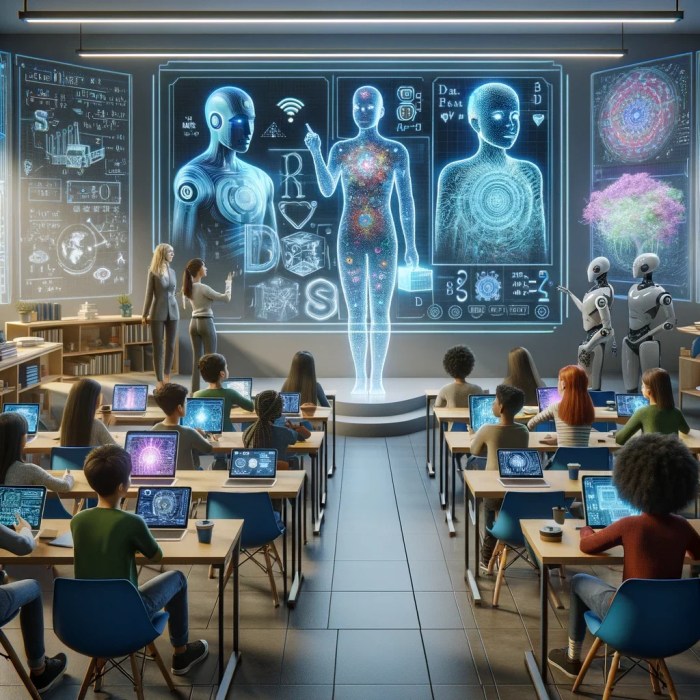
Online colleges offer significant cost benefits for students compared to traditional brick-and-mortar institutions. The affordability of online education is a key factor that has contributed to its popularity in recent years. Let's delve into how online education can make higher learning more accessible and affordable for students.
Reduced Tuition Fees
Online colleges often have lower tuition fees compared to traditional universities. With online programs, students can save on costs associated with campus facilities, maintenance, and other overhead expenses. This reduction in fees makes higher education more affordable for a wider range of students, especially those who may not have the financial means to attend a traditional college.
Elimination of Commuting and Housing Costs
One of the major advantages of online education is the flexibility it offers in terms of location. Students no longer need to commute to campus, saving money on transportation and parking expenses. Additionally, online learning allows students to study from the comfort of their own homes, eliminating the need for costly housing arrangements near campus.
Access to Financial Aid and Scholarships
Online colleges often provide access to the same financial aid opportunities as traditional universities. Students can still apply for federal student aid, scholarships, and grants to help offset the cost of tuition. In some cases, online students may even be eligible for additional scholarships specifically designed for distance learners, further reducing the financial burden of higher education.
Flexible Payment Options
Many online colleges offer flexible payment plans that allow students to pay for their education in installments. This option can make it easier for students to manage their finances while pursuing a degree. By spreading out the cost of tuition over time, online education becomes more financially feasible for students who may not have the means to pay for their education upfront.
Future Trends in Online Education
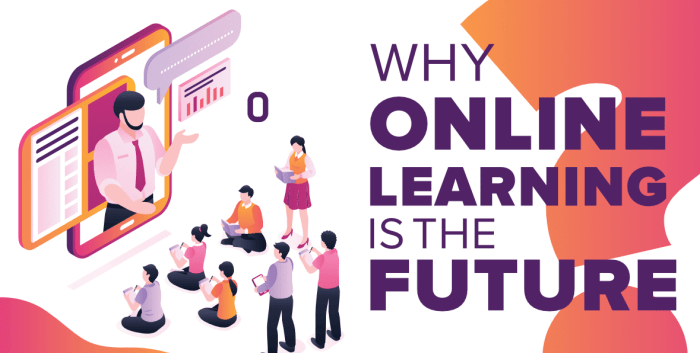
Online colleges are continuously evolving to meet the changing needs of students and the advancements in technology. One of the key trends expected in the coming years is the integration of artificial intelligence (AI) into online learning platforms. AI can personalize the learning experience for each student, provide real-time feedback, and even predict areas where students may struggle.
Role of Artificial Intelligence
AI will play a crucial role in shaping online learning experiences by offering personalized learning paths based on students' individual needs and learning styles. It can analyze data to identify areas of improvement, recommend additional resources, and provide instant feedback on assignments and assessments.
This level of customization can enhance student engagement and improve learning outcomes significantly.
- AI algorithms can help instructors identify patterns in student performance and tailor instructional materials accordingly.
- Virtual assistants powered by AI can provide 24/7 support to students, answering questions and guiding them through coursework.
- Machine learning algorithms can assess student progress and adjust the difficulty of assignments in real-time.
With AI, online education can become more adaptive, engaging, and effective in meeting the diverse learning needs of students.
Impact of Virtual and Augmented Reality
Virtual and augmented reality technologies are also expected to revolutionize online education by creating immersive learning experiences. These technologies can transport students to virtual classrooms, laboratories, or even historical events, providing a hands-on and interactive learning environment.
- Virtual reality simulations can offer practical training in fields like healthcare, engineering, and architecture, allowing students to practice skills in a safe and controlled virtual setting.
- Augmented reality overlays digital information onto the physical world, enhancing traditional textbooks with interactive elements like 3D models, videos, and animations.
- Virtual field trips can provide students with unique learning experiences by exploring distant locations or historical sites without leaving their homes.
By leveraging virtual and augmented reality technologies, online colleges can offer a more engaging and interactive learning experience that goes beyond traditional online lectures and assignments.
Ending Remarks
As we conclude this discussion on the future of education and the prevalence of online colleges, it's evident that the digital realm is paving the way for a new era of learning. The evolution of online education continues to shape the way students access knowledge and engage with learning materials, promising a bright and innovative future for education.
FAQs
Will online colleges completely replace traditional universities?
Online colleges offer a different approach to education but are unlikely to entirely replace traditional universities, as both have their unique advantages and cater to different needs.
How do online colleges ensure quality education?
Online colleges maintain quality education through accreditation, qualified instructors, interactive learning platforms, and regular assessments to ensure student learning outcomes.
Are online degrees recognized by employers?
Many online degrees from accredited institutions are recognized by employers, but it's essential for students to verify the accreditation of the online college they choose to ensure recognition.